Background
Rome's history in seven ages
The ages a 2,700-year story of Rome passes through, from the legendary founding to the modern capital, with the dates sources give and what each left behind.
Book the history show ↗Quick answer
Rome's story is usually told in seven stretches: the founding legend, the kings, the Republic, the Empire, the papal middle ages, the Renaissance and Baroque, and the modern capital. Tradition dates the founding to 753 BC, and Italian troops took the city in 1870. A film that covers about 2,700 years has to skip a great deal, so this is the frame it hangs on.
How to read the dates
Dates in the first ages are traditional, not recorded. Wikipedia says the kingdom's early history rests on accounts written centuries later, and that no records from the time survive. From the Republic on, the dates firm up. Seven ages is one way to cut a long story, not the only one, and historians argue about where the lines fall. The ages below follow the usual textbook order, which is also the order a short film is likely to use.
Founding and the kings
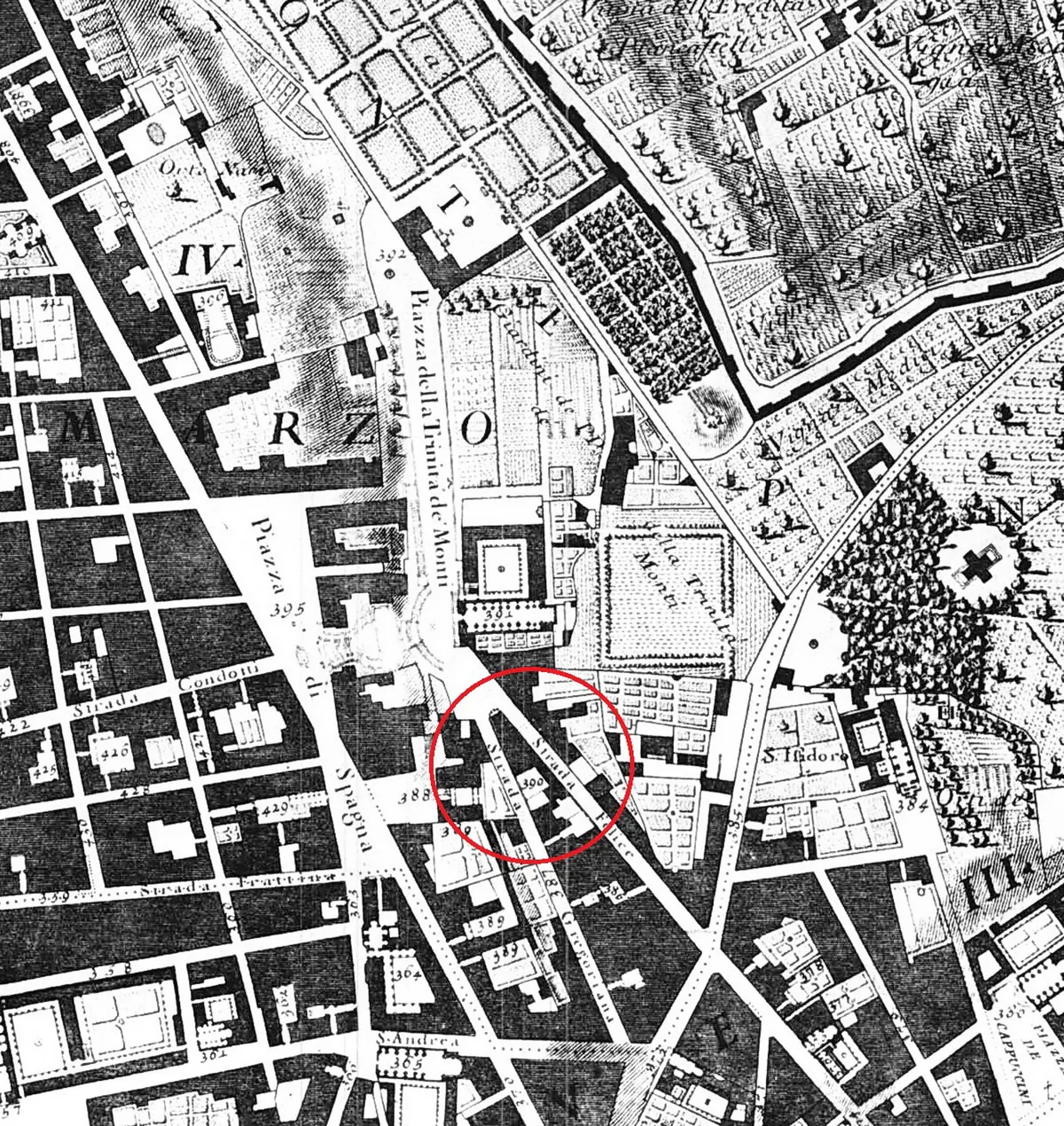
Tradition dates the founding to 753 BC, with Romulus on the Palatine Hill. Wikipedia says the early history rests on later accounts, so treat the seven kings as tradition. Archaeology shows people living on the Palatine from the 10th century BC. Tradition credits the Etruscan-born king Tarquinius Priscus with the Cloaca Maxima, the drain that dried the marsh where the Forum grew. The last king was driven out in 509 BC, as the story goes.
The Republic
In 509 BC, by tradition, the kings were expelled. Two consuls, elected for a year, shared power, and each could veto the other, while the Senate became the centre of government. Rome beat Carthage at Zama in 202 BC and then became the dominant power in the Mediterranean. Civil wars between powerful generals broke the Republic. Julius Caesar was killed in 44 BC, and Octavian defeated Antony and Cleopatra at Actium in 31 BC.
The Empire
In 27 BC the Senate gave Octavian the name Augustus, which Wikipedia says is often seen as the end of the Republic. Augustus ruled until AD 14 and, the same source says, renovated much of the city. The Colosseum was finished in AD 80, and Hadrian's Pantheon was probably dedicated around AD 126. The Western Roman Empire ended in 476, when the last emperor, Romulus Augustus, was deposed.
Popes and ruins
Wikipedia says the Papal States were established in 754, and that Rome's population fell to about 30,000 and later below 20,000. The Forum was left to cattle and became the Campo Vaccino, the cow field. Churches took over old buildings: the Pantheon has been a church since 609. Castel Sant'Angelo, built as Hadrian's tomb, became a fortress, then a papal castle joined to St Peter's by a covered corridor.
Renaissance and Baroque
In the 15th century Rome replaced Florence as the centre of artistic influence, Wikipedia says. The present St Peter's, designed by Bramante, Michelangelo and Maderno among others, was begun in 1506 and completed in 1626. The Sack of Rome in May 1527 by the troops of Charles V cut the High Renaissance short. The 17th century gave the city Baroque showpieces, including Bernini's fountain of the Four Rivers, finished in 1651, in Piazza Navona.
The modern capital
On 20 September 1870 Italian troops breached the Aurelian Walls near Porta Pia and ended the temporal power of the popes. A vote on 2 October approved union with Italy, and Rome became the capital on 3 February 1871, Wikipedia says. New streets followed, among them the corso on which the history show stands, designed to link the old centre with the districts across the Tiber.
Where each age still shows
You can touch most of the ages. The Palatine holds palace ruins from the Empire and the legend of the founding. Largo di Torre Argentina holds Republican temples. The Forum of Augustus keeps the columns of the Temple of Mars Ultor. The Pantheon and Castel Sant'Angelo carry the Empire into the papal city, and St Peter's and Piazza Navona carry the Renaissance and Baroque. A film is a map for this walk, not a substitute for it.
Frequently asked questions
Is 753 BC a real date?
It is the traditional date. Wikipedia says the early history comes from accounts written centuries later, so historians treat the kings as largely tradition.
When did the Roman Empire begin?
Wikipedia dates the empire from 27 BC, when the Senate gave Octavian the name Augustus. Other dates are argued, such as the battle of Actium in 31 BC.
Sources